
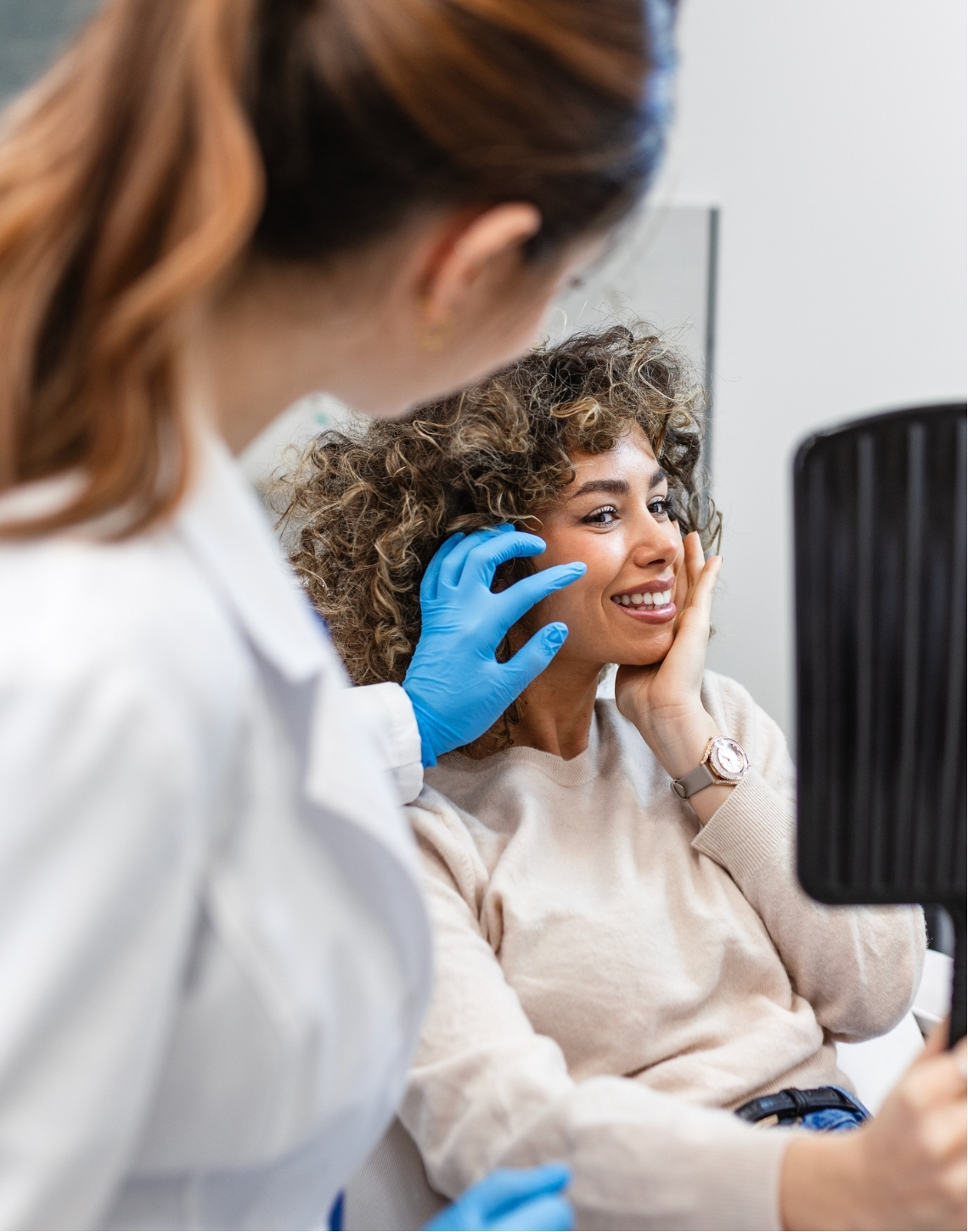
Wedding skin prep refers to the process of preparing the skin ahead of a wedding through skincare, professional treatments, and lifestyle optimisation.

Wedding Skin Prep:
A Practitioner's Guide to the Bridal Treatment Timeline
From medical-grade skincare and regenerative treatments to injectables and energy-based devices, successful wedding skin prep is rarely achieved through last-minute intervention. For aesthetic practitioners, building a structured bridal treatment timeline can help patients achieve healthy, radiant skin while minimising treatment risk close to the big day.
Why Bridal Treatment Planning Starts Earlier Than Patients Think
Few patient groups are as motivated as brides preparing for their wedding day. Whether driven by professional photography, social media, or simply the desire to look and feel their best, bridal patients often arrive with ambitious expectations and fixed deadlines.

For practitioners, this presents both an opportunity and a challenge.
Unlike routine aesthetic consultations, wedding skin prep requires careful planning around a non-negotiable event date. While many patients begin thinking about treatments a few weeks or months before their wedding, optimal results often require a much longer timeline.
Effective skin prep for wedding patients involves more than a single treatment. It is typically a combination of skincare optimisation, skin quality improvement, collagen stimulation, structural enhancement where appropriate, and expectation management.
The earlier the planning begins, the greater the opportunity to create meaningful improvements while maintaining a natural appearance.
The Initial Consultation:
Building the Bridal Skin Plan
Before discussing treatments, practitioners should focus on understanding the patient's goals.
Common bridal concerns include:
The consultation should also explore:
Previous aesthetic treatments
Current skincare routine
Upcoming events before the wedding
Lifestyle factors
Budget considerations
Realistic expectations
This stage provides the foundation for a successful pre wedding skin care strategy.
The Foundation Phase
12 Months Before the Wedding
For patients planning well in advance, the 12-month mark offers the greatest opportunity to create long-term skin improvements. At this stage, practitioners can focus on correcting underlying concerns rather than simply preparing for a single event.
Key considerations may include:
Corrective Treatment Phase
6–9 Months Before the Wedding
Once skincare foundations are established, practitioners may begin introducing treatments aimed at improving skin quality and addressing specific concerns.
These approaches are often incorporated into longer-term treatment plans focused on skin quality and tissue health.
Optimisation Phase
3–6 Months Before the Wedding
This is often where bridal treatment plans become more individualised.
By this stage, many patients have already established healthy skin habits and completed initial corrective treatments.
The focus now shifts towards optimisation.
These approaches are often incorporated into longer-term treatment plans focused on skin quality and tissue health.
Refinement Phase
6–12 Weeks Before the Wedding
At this stage, major corrective work should largely be complete.
The focus shifts towards refinement and maintenance.
The goal should always be natural enhancement rather than dramatic transformation.
Less Is More
The Final Month
One of the most important messages practitioners can communicate is that the final month before a wedding is not the time for experimentation.
Patients should avoid introducing entirely new treatments or products close to the event.
Instead, practitioners may focus on:
✔️ Skin maintenance
✔️ Hydration support
✔️ Professional skincare
✔️ Conservative touch-ups where appropriate
Bridal patients often feel pressure to make last-minute changes, making expectation management particularly important.
This reflects a broader shift towards long-term skin health and natural-looking outcomes.
Managing Bridal Expectations
Bridal consultations can be uniquely emotional.
Patients often have:
- Fixed deadlines
- High expectations
- Significant social pressures
- Extensive exposure to filtered imagery online
Practitioners should ensure discussions include:
- Realistic outcomes
- Treatment limitations
- Appropriate timelines
- Potential downtime
- The value of gradual improvement
The most successful bridal transformations are rarely achieved through a single treatment. They are typically the result of thoughtful planning, patient compliance, and realistic expectations.

Final Thoughts
Successful wedding skin prep is built on planning, not panic.
For practitioners, creating a structured bridal treatment timeline allows patients to progress through corrective, regenerative, and maintenance phases in a safe and predictable way.
Whether incorporating medical-grade skincare, chemical peels, regenerative treatments, injectables, or energy-based devices, the most effective pre wedding skin care plans are those that start early and focus on long-term skin health rather than last-minute intervention.
As patient demand for bridal aesthetics continues to grow, practitioners who can confidently guide patients through a comprehensive treatment journey are well-positioned to deliver both excellent outcomes and positive patient experiences.
Explore Church Pharmacy's Professional Aesthetics Range
From medical-grade skincare and regenerative treatment products to injectables, devices, and clinic essentials, Church Pharmacy supports healthcare professionals with access to trusted products and resources across modern aesthetic practice.
Explore Church Pharmacy's professional aesthetics range and discover solutions to support your bridal treatment planning throughout the year.
About the author
Church Pharmacy
Church Pharmacy is a GPhC-registered UK pharmacy specialising in medical aesthetics. We support healthcare professionals with compliant dispensing, award-winning service, and expert insights into the latest treatments, products, and industry trends. Through our blog, we share practical guidance and trusted updates to help clinics grow safely, efficiently, and confidently.