


PRP treatment involves injecting platelet-rich plasma derived from a patient’s own blood to stimulate tissue repair and collagen production.
Exosomes vs PRP:
Which Biostimulator Wins?
PRP has long been a cornerstone of regenerative aesthetics, but exosomes are rapidly emerging as the next evolution in biostimulatory treatments. For practitioners navigating these technologies, understanding when to choose PRP, exosome therapy, or a combination approach is key to delivering optimal patient outcomes.
Regenerative medicine continues to transform aesthetic practice. Treatments that stimulate the body’s natural repair mechanisms are increasingly favoured over purely volumising interventions. Among the most discussed biostimulators are platelet-rich plasma (PRP) and exosome therapy.
While PRP has been used for years across dermatology, hair restoration, and facial rejuvenation, exosome treatment is gaining significant attention due to its advanced regenerative signalling capabilities. However, the real clinical question is not which treatment replaces the other, but how they can complement one another.

What Is PRP Treatment?
Before comparing technologies, it is important to answer a common question practitioners and patients ask: what is PRP treatment?
PRP (platelet-rich plasma) is an autologous treatment derived from the patient’s own blood. After centrifugation, platelet-rich plasma is isolated and injected or applied to stimulate tissue regeneration.
PRP therapy works because platelets release growth factors that influence:
- Fibroblast stimulation
- Collagen production
- Tissue repair
- Angiogenesis
This regenerative effect is why PRP treatment for face rejuvenation, PRP microneedling, and PRP for hair loss remain among the most widely performed regenerative treatments in aesthetic medicine.
Church Pharmacy supplies several clinically respected PRP systems including:

DPG PRP Centrifuge

Croma PRP

Cellenis PRP
Each system is designed to produce high-quality platelet concentrations that support effective PRP therapy outcomes.
What Are Exosomes?
To understand the comparison, we must also ask: what is exosome therapy?
Exosomes are extracellular vesicles released by cells that carry signalling molecules such as proteins, lipids, and RNA. Rather than stimulating repair directly like PRP, exosome treatment works by influencing cellular communication.
In regenerative aesthetics, exosome products are used to enhance:
- Tissue regeneration
- Collagen synthesis
- Wound healing
- Anti-inflammatory pathways
Because they act as cellular messengers, exosomes can support tissue repair at a signalling level rather than relying on platelet-derived growth factors alone.
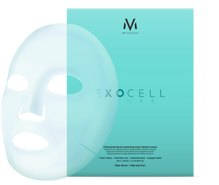
Church Pharmacy supplies several innovative exosome solutions including:
With new regenerative technologies emerging, exosome therapy is becoming a significant topic within aesthetic medicine.
Exosome vs PRP: Key Differences
Although both therapies fall under regenerative medicine, their mechanisms differ significantly.
|
Feature |
PRP |
Exosome Therapy |
|
Source |
Patient’s own blood |
Cell-derived extracellular vesicles |
|
Mechanism |
Growth factor release |
Cellular signalling |
|
Regulation |
Autologous |
Manufactured product |
|
Longevity |
Moderate regenerative effect |
Potentially stronger signalling cascade |
|
Adoption |
Widely established |
Emerging technology |
PRP remains the most established regenerative treatment due to its long clinical history and strong safety profile. However, exosome therapy is gaining traction due to its ability to influence multiple regenerative pathways simultaneously.
PRP Treatment for Face Rejuvenation
One of the most common indications for PRP treatment for face rejuvenation is improving skin texture, elasticity, and hydration.
When injected intradermally or combined with microneedling, PRP stimulates fibroblast activity and collagen synthesis. This makes it particularly suitable for:
Early ageing skin
Dull or tired complexions
Mild textural irregularities
Acne scarring
Because PRP is autologous, it carries minimal risk of immunological reaction, making it a trusted option for many practitioners.
PRP for Hair Loss vs Exosome Hair Treatment
Hair restoration is another area where the exosome vs PRP comparison frequently arises.
Microneedling With PRP:
A Proven Combination
One of the most effective regenerative protocols remains microneedling with PRP.
When combined with microneedling:
Microchannels enhance PRP penetration
Controlled injury stimulates collagen production
Platelet-derived growth factors accelerate repair
This combination is widely known as PRP microneedling and is frequently used for:

Acne scars

Skin rejuvenation

Stretch marks

Texture improvement
Many practitioners now explore adding exosomes post-microneedling as an additional regenerative step.
Combination Therapy:
The Future of Biostimulation
Rather than viewing treatments competitively, many clinicians are now adopting combination protocols.
Examples include:

PRP + Exosomes
PRP provides growth factors while exosomes enhance cellular signalling.

PRP + Microneedling
A well-established regenerative combination.

Microneedling + Exosomes
Increasingly explored for advanced skin rejuvenation.
This layered approach reflects the shift toward regenerative-first treatment planning.
Practitioner Decision Framework
Choosing between PRP treatment and exosome therapy often depends on patient characteristics.
|
Patient Profile |
PRP |
Exosomes |
|
Younger patients |
Excellent option |
Good adjunct |
|
Early ageing |
Strong results |
Useful for optimisation |
|
Hair loss |
Gold standard |
Emerging therapy |
|
Acne scars |
Very effective |
Can enhance repair |
|
Inflammatory skin |
Moderate |
Potentially beneficial |
|
Advanced ageing |
Good baseline treatment |
Often combined |
For many clinics, PRP remains the foundation, while exosomes represent an advanced regenerative enhancement.
Exosomes vs PRP:
Training and Practitioner Development
For practitioners looking to introduce PRP safely and effectively, structured education is essential.
Church Pharmacy supports clinics with PRP training, covering:
- Blood handling protocols
- Centrifugation techniques
- Injection protocols
- Combination therapy strategies
Through training and trusted device supply, clinics can confidently integrate regenerative treatments into practice.

The Verdict: Exosomes vs PRP
So which biostimulator wins?
The answer is simple: both have a role.
PRP remains the most established regenerative treatment due to its safety, cost-effectiveness, and broad clinical applications.
Exosomes represent an exciting emerging technology that may enhance regenerative outcomes through advanced cellular signalling.
For forward-thinking practitioners, the real opportunity lies not in choosing one over the other — but understanding how both therapies can work together to optimise patient results.
About the author
Church Pharmacy
Church Pharmacy is a GPhC-registered UK pharmacy specialising in medical aesthetics. We support healthcare professionals with compliant dispensing, award-winning service, and expert insights into the latest treatments, products, and industry trends. Through our blog, we share practical guidance and trusted updates to help clinics grow safely, efficiently, and confidently.