
Hyperhidrosis is excessive sweating beyond what is needed for normal temperature regulation. It may affect areas such as the underarms, palms, feet, face or scalp.
Botox for Sweating:
A Practitioner’s Guide to Treating Summer Hyperhidrosis
Supporting patients with excessive sweating during the warmer months
As temperatures rise, so do patient concerns around excessive sweating. For many people, summer can make symptoms of hyperhidrosis feel more visible, disruptive and difficult to manage. Sweat marks, clothing restrictions, body odour concerns and social anxiety can all affect day-to-day confidence, particularly during warmer weather, holidays, events and busy work environments.
For healthcare professionals working in aesthetics, this seasonal demand creates an opportunity to educate suitable patients on treatment options beyond antiperspirants and lifestyle adjustments. One of the most recognised clinical approaches is the use of botulinum toxin for sweating, often searched for by patients as “Botox for sweating” or “Botox for underarm sweating”.
While botulinum toxin is widely associated with aesthetic indications, its role in managing localised excessive sweating is an important area for practitioners to understand.

What is Hyperhidrosis?
Hyperhidrosis is a condition characterised by sweating beyond what is required for normal temperature regulation. It can be localised to specific areas or occur more generally across the body.
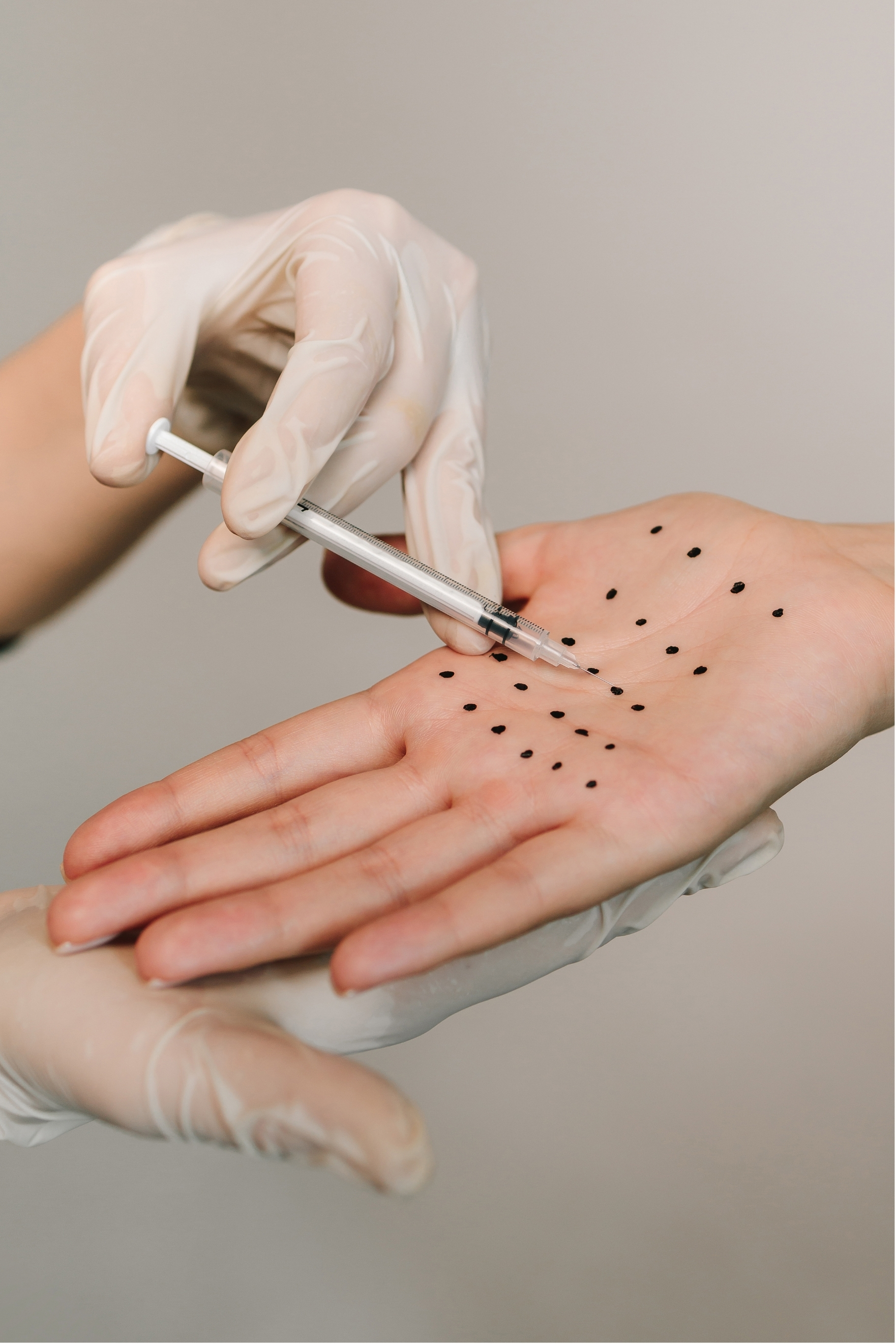
Commonly affected areas include:
Underarms
Palms
Soles of the feet
Face
Scalp
Groin or other focal areas
For many patients, symptoms are not simply a cosmetic concern. Hyperhidrosis can affect clothing choices, professional confidence, social interaction, exercise, travel and overall quality of life.
There are two broad categories practitioners should be aware of:
Primary Hyperhidrosis
This usually presents as localised excessive sweating, often affecting areas such as the underarms, hands or feet. It may begin earlier in life and is not caused by another medical condition.
Secondary Hyperhidrosis
This occurs as a result of another underlying factor, such as medication, endocrine conditions, infection, menopause, neurological conditions or other medical causes.
Before considering treatment, practitioners should take a careful history and assess whether further medical review may be required.
Why Summer Can Increase Patient Demand
Although hyperhidrosis can affect patients all year round, summer often brings it to the forefront.
Warmer weather, lighter clothing, weddings, holidays, outdoor events and workplace discomfort can all make excessive sweating feel harder to disguise. Patients may become more aware of sweat marks, odour concerns or the need to repeatedly change clothing throughout the day.
This is why many clinics see increased interest in hyperhidrosis treatment during spring and summer. For healthcare professionals, this creates a valuable opportunity to discuss treatment planning early, especially for patients who want results before holidays, events or warmer periods.
A summer-focused consultation may include discussing:
How sweating affects the patient’s daily routine
Triggers such as heat, stress or exercise
Which areas are most problematic
Previous treatments used, such as antiperspirants
Expectations around treatment onset and maintenance
Whether symptoms may suggest an underlying medical cause
How Does Botox For Sweating Work?
Botulinum toxin works by temporarily blocking the nerve signals that stimulate sweat glands. When injected into the target area by an appropriately trained practitioner, it can reduce the activity of local sweat glands and help limit excessive sweating.
In the context of underarm sweating, botulinum toxin is used to target the sweat-producing glands in the axillary area. The aim is not to stop the body from sweating entirely, but to reduce excessive local sweating that is affecting the patient’s comfort or quality of life.
From an SEO and patient education perspective, using these terms can help bridge the gap between what patients search for and the clinical terminology used by healthcare professionals.
Patients may commonly refer to this treatment as:
Botox for sweating
Botox for underarm sweating
Hyperhidrosis injections
Sweat reduction injections
Underarm sweat treatment
Botox For Underarm Sweating
The underarms are one of the most common areas patients ask about when discussing hyperhidrosis treatment.
Underarm sweating can be particularly distressing because it is often visible through clothing. Patients may report avoiding certain colours or fabrics, changing clothes multiple times a day, using multiple antiperspirants, or feeling anxious in professional and social settings.
Botulinum toxin treatment for underarm sweating may be considered when symptoms are persistent, localised and inadequately managed with topical options or lifestyle measures.
For practitioners, the consultation should remain patient-specific and clinically led. This includes assessing severity, suitability and expectations, while ensuring the patient understands that results are temporary and maintenance treatments may be required.

Other Treatment Areas For Hyperhidrosis
Although underarm sweating is one of the most commonly discussed indications, hyperhidrosis can affect several areas of the body.
Patients may also enquire about treatment for:
Treatment considerations may vary depending on the area, patient sensitivity, product choice and clinical judgement. Practitioners should always work within their scope of practice, product guidance, current prescribing standards and relevant training.
Expected Results And Treatment Longevity
Patients considering botulinum toxin for sweating often want to know when they may notice results and how long treatment may last.
In general, patients may begin to notice a reduction in sweating within several days, with full results typically developing over the following couple of weeks. The duration of effect varies between individuals, but many patients experience reduced sweating for several months following treatment.
Longevity can depend on factors such as:
Treatment area
Severity of sweating
Individual response to botulinum toxin
Product selection
Treatment history
Metabolism and lifestyle factors
It is important to explain that results are temporary. Patients who respond well may require repeat treatments as part of a maintenance plan.
Considerations
Patient Suitability And Consultation Considerations
A thorough consultation is essential before offering hyperhidrosis treatment. While many patients may be suitable, not every case of excessive sweating should be treated without further investigation.
Practitioners should consider:
- Whether symptoms are focal or generalised
- Age of onset and symptom pattern
- Any sudden change in sweating
- Night sweats or systemic symptoms
- Current medications
- Relevant medical history
- Pregnancy or breastfeeding status
- Neuromuscular conditions
- Previous response to topical treatments
- Patient expectations and treatment goals
Where secondary hyperhidrosis is suspected, patients should be referred or signposted for appropriate medical assessment before proceeding with treatment.
Consent should also include a clear discussion around expected results, limitations, potential side effects, aftercare, maintenance and alternative options.
Product Considerations
For Practitioners
Church Pharmacy supplies a range of botulinum toxin products to qualified healthcare professionals, including Bocouture®, Botox® and Letybo®.
When choosing a botulinum toxin product, practitioners should consider product licensing, clinical suitability, patient needs, prescribing requirements and their own experience and training. Not all botulinum toxin products have the same licensed indications, so practitioners must refer to the relevant Summary of Product Characteristics and prescribe responsibly.
As with all prescription-only medicines, botulinum toxin should only be prescribed and administered in line with current UK regulations, professional standards and individual patient assessment.
Communicating Hyperhidrosis Treatment to Patients
For many patients, excessive sweating can feel embarrassing to discuss. Clear, supportive language can help make consultations more approachable.
Rather than focusing only on the physical symptom, practitioners may find it helpful to ask how sweating affects the patient’s everyday life.
Useful consultation prompts may include:
This helps practitioners understand the severity of the concern while also identifying cases that may require further medical review.
Why Clinics Should Prepare for Summer Hyperhidrosis Enquiries

Seasonal demand can make hyperhidrosis treatment a useful addition to clinic conversations during spring and summer.
For clinics already offering botulinum toxin treatments, educating patients around excessive sweating can help support a broader treatment portfolio while addressing a genuine quality-of-life concern.
Summer-focused content can also support organic search visibility, particularly around high-intent search terms such as:
-
Hyperhidrosis treatment
-
Botox for sweating
-
Botox for underarm sweating
-
Underarm sweating treatment
-
Excessive sweating injections
By creating educational content around these terms, clinics can help patients better understand their options while positioning themselves as trusted, informed providers.
Final Thoughts
Botulinum toxin can play an important role in the management of localised excessive sweating, particularly for patients experiencing underarm hyperhidrosis that affects confidence, comfort and daily life.
For HCPs, the key is to approach treatment with a careful consultation, appropriate patient selection, realistic expectations and responsible prescribing. As summer increases awareness of sweating-related concerns, practitioners are well placed to educate patients and provide evidence-informed treatment options where clinically appropriate.
Order from Church Pharmacy
Church Pharmacy supplies Botox®, Bocouture® and Letybo® to qualified healthcare professionals across the UK.
Order from Church Pharmacy for trusted product supply, rapid order processing and dedicated support for aesthetic practitioners. For eligible prescription-only medicines, DigitRx also offers a fast, secure and efficient way to manage e-prescribing.
Frequently Asked Questions (FAQs)
Disclaimer: This blog is intended for educational purposes only and is aimed at healthcare professionals. Church Pharmacy supplies products to qualified healthcare professionals but does not perform aesthetic treatments or provide individual treatment advice to patients. All treatments referenced in this article should only be carried out by appropriately trained and qualified practitioners, following a full consultation and assessment. Treatment decisions, patient suitability, clinical outcomes, aftercare and compliance with relevant professional standards remain the responsibility of the treating practitioner.
About the author
Church Pharmacy
Church Pharmacy is a GPhC-registered UK pharmacy specialising in medical aesthetics. We support healthcare professionals with compliant dispensing, award-winning service, and expert insights into the latest treatments, products, and industry trends. Through our blog, we share practical guidance and trusted updates to help clinics grow safely, efficiently, and confidently.