
Baby botox is a consumer term commonly used to describe lower-dose botulinum toxin treatment intended to create more subtle aesthetic outcomes.
Baby Botox vs Botox
Key Differences, Treatment Considerations & Clinical Insights
As demand for subtle aesthetic outcomes continues to grow, more patients are asking about “baby botox” as an alternative to traditional botulinum toxin treatment. For practitioners, understanding the terminology, patient expectations, and treatment considerations behind baby botox vs botox is essential for safe, effective, and compliant aesthetic practice.
What is Baby Botox?
As patient awareness of aesthetic treatments continues to grow, so does the use of trend-driven terminology. One phrase that has become increasingly common in consultations is baby botox.
So, what is baby botox? Importantly, baby botox is not a separate product.
Rather, baby botox is a colloquial term commonly used to describe lower-dose botulinum toxin treatment strategies intended to create more subtle aesthetic outcomes.
In many cases, patients searching ‘what’s baby botox? or difference between botox and baby botox’ are not necessarily asking about a different treatment altogether - they are asking about treatment philosophy.
For practitioners, this distinction matters.
The conversation is less about product differentiation and more about:
- dosing strategy
- patient goals
- muscle activity
- treatment indication
- aesthetic outcome expectations

Baby Botox vs Botox: What’s the Difference?
Clinically, the primary distinction is not the active ingredient, but how treatment is planned and delivered.
Standard Botulinum Toxin Treatment
Typically aims for more established wrinkle reduction, muscular modulation, or functional treatment outcomes using dosing aligned with the practitioner’s assessment and licensed treatment objectives.
Baby Botox
Usually refers to a lighter-touch treatment approach using lower dosing strategies to create more subtle outcomes, often with greater movement preservation.
This is why the phrase baby botox vs regular botox can be slightly misleading. It is not “different toxin.” It is often simply a different treatment strategy.
Why Are More Patients Asking for Baby Botox?
Consumer interest in baby botox has increased significantly, particularly among younger demographics and patients seeking preventative aesthetic treatments.

Common motivations include:
→ Desire for subtle results
→ Fear of looking overtreated
→ Preventative wrinkle management
→ Social media influence
→ First-time treatment confidence
→ Movement preservation
For practitioners, this means consultations increasingly involve trend-led language rather than clinically precise terminology.
Patient requests should always be translated into clinically appropriate assessment.
Baby Botox Areas: Where Is It Commonly Discussed?
Searches around ‘baby botox areas’ and ‘baby botox facial’ continue to rise.
In clinical discussions, the term is most commonly associated with licensed aesthetic botulinum toxin treatment areas such as:
- glabellar lines
- forehead lines
- lateral canthal lines (crow’s feet)
Patients may also ask about newer or trend-driven applications such as ‘baby botox under eyes’, though practitioners should always ensure treatment discussions remain aligned with appropriate clinical governance, indication suitability, and regulatory considerations.
The key point? “Baby botox” describes an approach - not a separate anatomical treatment category.
Baby Botox vs Regular Botox:
Treatment Considerations for Practitioners
The difference between ‘baby botox’ vs ‘regular botox’ often comes down to patient suitability and treatment intent.
Patient Expectations
Some patients requesting baby botox want visible softening without obvious reduction in movement. Others may assume “baby” means lower commitment, lower risk, or universally better outcomes. Expectation alignment is essential.
Muscle Activity
A lower-dose strategy may not be appropriate for all patients. Variables include, muscle strength, dynamic line severity, treatment history, facial anatomy, patient age and desired outcome. E.g a patient with strong dynamic musculature may not achieve their desired outcome with an overly conservative approach.
Longevity Expectations
A lighter dosing strategy may influence duration depending on individual response and treatment plan. This should be discussed clearly during consultation.
Movement Preservation
Some patients value retained expression and subtle softening over maximal line reduction. Others may prioritise stronger wrinkle improvement. Neither approach is inherently superior - it depends on treatment goals.
How Long Does Baby Botox Take to Work?
In general, onset expectations are similar to conventional botulinum toxin treatment, though this may vary depending on product selection, patient factors, dosing strategy, and treatment indication.
Broadly:
- early effects may begin within a few days
- visible changes typically develop over 1–2 weeks
- peak outcome timing may vary
Because baby botox refers to a lower-dose strategy rather than a different mechanism of action, onset expectations are not fundamentally different.
How Long Does Baby Botox Last?
This is one of the most common consultation questions.
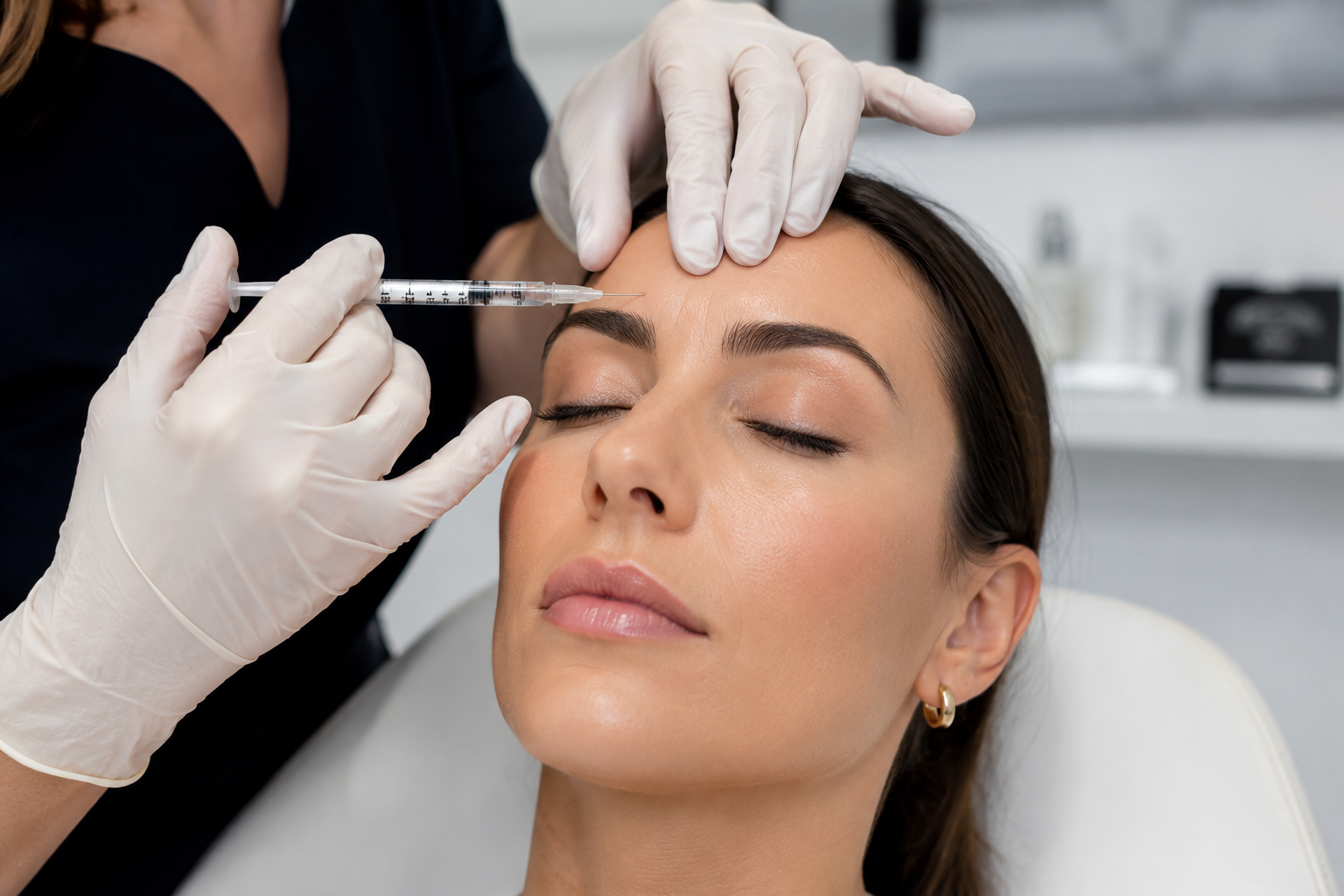
As with standard treatment, longevity varies based on:
→ Dosing approach
→ Muscle activity
→ Metabolism
→ Treatment area
→ Patient response
→ Prior treatment history
Because lower-dose strategies may provide lighter modulation, some patients may perceive shorter longevity compared with more conventional dosing approaches.
However, treatment planning should always be individualised rather than based on trend terminology alone.
Baby Botox Under Eyes: What Practitioners Should Know
Search demand for ‘baby botox under eyes’ continues to grow.
This reflects broader consumer interest in subtle aesthetic enhancements.
However, under-eye treatment discussions require particularly careful clinical assessment due to anatomical complexity, patient suitability considerations, and regulatory responsibilities.
Trend terminology should never replace robust clinical decision-making.
When Might a Baby Botox Approach Be Appropriate?
Practitioners may encounter patients who may be suitable for lighter treatment strategies, including:
- first-time toxin patients
- younger patients seeking preventative intervention
- patients prioritising subtle outcomes
- individuals concerned about movement preservation
- patients with mild dynamic line development
However, suitability should always be determined through consultation—not trend-driven self-diagnosis.
Consultation & Compliance Considerations
Because Baby Botox is a consumer-led term, consultations often require practitioners to clarify:
- the patient's treatment goals and desired outcome
- whether expectations are realistic and achievable
- treatment suitability and clinical appropriateness
- expected longevity of results
- the limitations of subtle anti-wrinkle treatment approaches
When using prescription-only medicines (POMs), practitioners must remain compliant with current UK prescribing regulations and consultation requirements.
Baby Botox vs Botox: Practical Takeaways
For practitioners:
✔ Baby botox is not a separate product
✔ It usually refers to lower-dose treatment strategy
✔ Patient expectations require careful management
✔ Lower dose does not automatically mean better outcomes
✔ Suitability varies significantly between patients
✔ Trend terminology should not dictate treatment planning
Supporting Safe, Compliant Aesthetic Practice with Church Pharmacy
As patient awareness of aesthetic trends continues to evolve, practitioners need workflows that support both efficient treatment planning and compliant prescribing governance.
Church Pharmacy supports healthcare professionals with trusted clinic essentials, injectable treatment solutions, and tools designed to streamline aesthetic practice.
For clinics managing prescription workflows, DigitRx provides a secure, efficient e-prescribing solution built specifically for modern aesthetic practitioners—helping support compliant patient management while reducing administrative burden.
Explore how Church Pharmacy and DigitRx can support your aesthetic practice.
Frequently Asked Questions (FAQs)
Professional Information Notice
This content is intended for educational purposes within professional aesthetic practice. Prescription-only medicines must only be prescribed and administered following appropriate clinical consultation and in accordance with current UK regulatory requirements.
About the author
Church Pharmacy
Church Pharmacy is a GPhC-registered UK pharmacy specialising in medical aesthetics. We support healthcare professionals with compliant dispensing, award-winning service, and expert insights into the latest treatments, products, and industry trends. Through our blog, we share practical guidance and trusted updates to help clinics grow safely, efficiently, and confidently.